

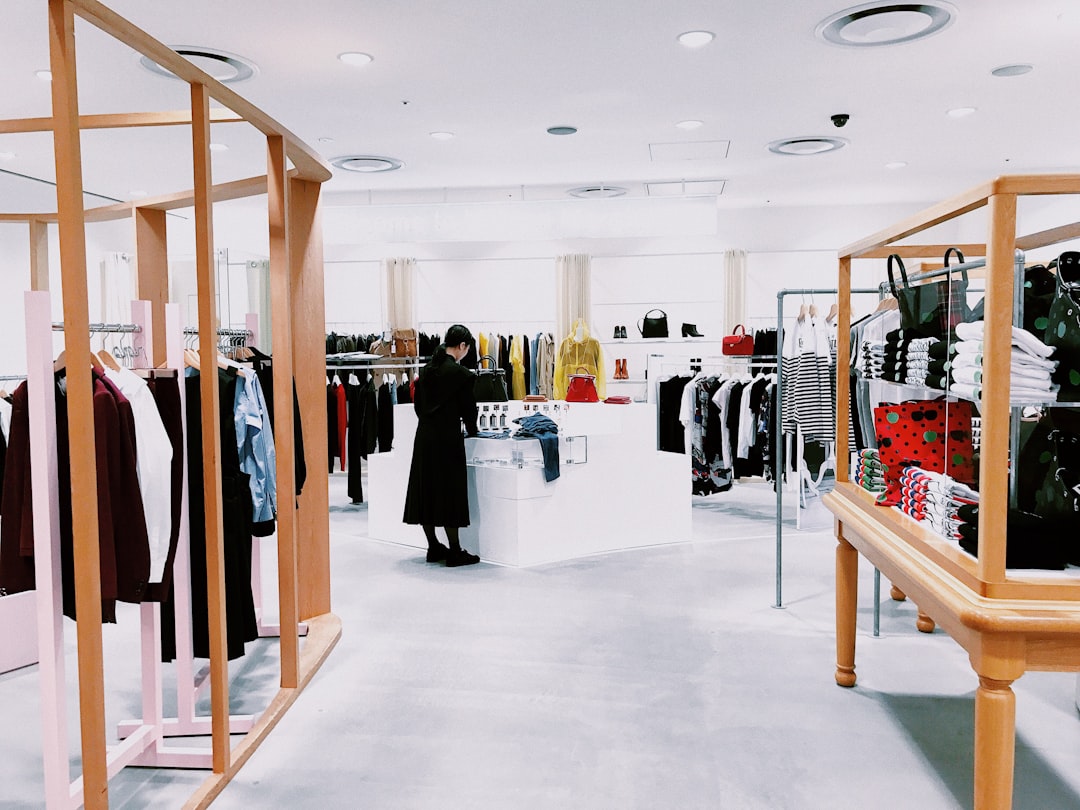

The Dutch creator economy is no longer a side channel
Let's be honest: for most retail brand managers in the Netherlands, influencer marketing has historically lived in the "nice to have" column. A campaign here, a product seeding there, some Instagram posts around Sinterklaas. But 2026 is different, and the numbers make that clear.
Social advertising in the Netherlands grew to €967 million in 2024, an 18% increase year-on-year, according to Emerce's reporting on creator economy M&A activity. That same year saw 81 mergers and acquisitions in the global creator economy, up 19% from 2024. Retail giants are buying distribution, not just awareness. The channel has matured.
Meanwhile, bol.com reports that social commerce is accelerating rapidly, with creator partnerships now opening direct sales channels for retail partners across fashion, lifestyle, and home categories. This is not reach for its own sake. This is conversion.
The shift happening right now: creators are becoming distribution infrastructure, not just content producers. For brand managers with annual budgets to defend, that distinction matters enormously.
At Zeth, we work with retail and consumer brands navigating exactly this transition. What we see consistently is that brands who treat creator partnerships as a media channel (rather than a PR add-on) are the ones hitting their ROI targets. The rest are still measuring likes.
What's driving social commerce growth in Dutch retail?
Three structural forces are reshaping how Dutch consumers discover and buy products, and all three run through creators.
First: TikTok Shop's EU rollout. Since early 2026, TikTok Shop has been live across EU markets including the Netherlands. Retail categories like beauty and lifestyle are seeing 25-30% conversion growth via in-app purchases with local creator partners. The friction between "I saw it" and "I bought it" has essentially collapsed. For a brand manager running a beauty or fashion label, this is a direct revenue opportunity, not a branding play.
Second: competitive pressure from Shein and Temu. Dutch retail research highlights that non-food retail must now generate 20% of total revenue online, and fashion brands are losing ground to ultra-fast platforms on price. Creators offer something Shein can't: authentic local voices, community trust, and the kind of brand affinity that justifies a higher price point. Competing on price against those platforms is a losing game. Competing on connection is winnable.
Third: retail media standardisation. Retail media in the Netherlands is growing faster than traditional advertising formats, with IAB Europe driving standardisation across platforms. Brands that build creator-led content pipelines now will have assets that work across retail media, paid social, and owned channels simultaneously.
Online retail in the Netherlands is projected to grow 9% this year. A meaningful portion of that growth is creator-driven. The question isn't whether to participate. It's how to allocate budget to capture the most of it.
How should retail brands reallocate budgets for peak-moment sales lifts?
Shift toward nano and micro-influencers first. This is the single highest-leverage budget move most retail brands can make right now. Micro-influencers in the Dutch fashion and lifestyle space deliver 2-3x higher engagement than macro-influencers, according to 2026 analysis of the Dutch influencer market. The benchmark engagement rate for micro-influencers sits at 4-7%, compared to 1-2% for accounts with millions of followers.
Why does this matter for peak moments specifically? During high-intent windows like Cyber Week, Black Friday, or seasonal launches, consumers are actively looking for purchase validation. A trusted micro-creator in the right niche converts at dramatically higher rates than a broad reach play. Bol.com's social commerce data confirms this pattern: creator partnerships that reach younger Dutch consumers authentically drive direct sales, not just awareness.
Here's how we recommend structuring the reallocation:
- Always-on base (40-50% of creator budget): 3-5 long-term ambassador partnerships with nano or micro-creators in your specific category. Commission models tied to social commerce performance work well here.
- Peak activation burst (30-40%): Additional creator activations timed to key retail moments. Brief these creators 6-8 weeks ahead so content feels native, not rushed.
- UGC asset production (15-20%): Commission creators to produce content specifically for use in paid ads and retail media placements. AI tools are now accelerating UGC production by up to 40%, which means your paid social team gets fresher creative more often.
The ROI benchmarks support this structure. Nano and micro-influencer campaigns in Dutch e-commerce are delivering 3-5x ROI, compared to roughly 1.5x for macro-influencer activations, based on 2026 UGC and influencer trend analysis.
If you're curious about which creators in the Netherlands are already operating at this level, browse Zeth's creator directory to see the talent we represent across fashion, lifestyle, and consumer categories.
How do you actually measure ROI on creator campaigns in retail?
This is the question that kills more influencer programs than any other. A brand runs a campaign, gets some impressions, and then struggles to connect any of it to the revenue line. Stakeholders lose faith. Budget gets cut. Repeat.
The fix is measuring conversion, not reach. Here's the framework we use at Zeth for retail clients:
- Affiliate links per creator: Every creator in your program gets a unique tracking link. You see exactly which creator drove which click, which cart, which purchase. No ambiguity.
- Discount codes by creator: Especially effective for peak-moment campaigns. "Use AMBER10 at checkout" is trackable, creates urgency, and tells you precisely which creator's audience converts.
- UGC performance in paid ads: Take your best-performing organic creator content and run it as paid social. Track CTR and conversion rate against your standard brand creative. The 2026 research on influencer and UGC trends consistently shows creator content outperforms polished brand assets in conversion rate.
- Earned media value (EMV) as a secondary metric: Useful for reporting to stakeholders, but never let it be your primary success metric. EMV tells you what equivalent ad spend would have cost. It doesn't tell you whether anyone bought anything.
- Audience quality checks: Before signing any creator, verify that their Dutch audience is real. Look at follower growth patterns, comment quality, and engagement consistency. Fake engagement is still a problem in 2026, and it's your budget that takes the hit.
For brand managers who've been burned before, the "we ran a campaign and it didn't convert" problem almost always traces back to one of two things: wrong creator fit, or measuring the wrong metrics. Both are solvable. See how Zeth has approached ROI-focused campaigns in practice for a concrete example of performance-driven influencer work.
It's also worth staying current on the compliance side. Creator partnerships in the Netherlands operate under specific disclosure requirements that affect how content performs. Our 2026 guide to influencer marketing compliance in the Netherlands covers what your brand needs to know before briefing creators.
Building an always-on creator program instead of one-off posts
One-off campaigns are expensive to set up, hard to measure, and deliver diminishing returns each time. The brands winning in Dutch retail right now are the ones building structured, ongoing creator relationships that compound over time.
What an always-on program actually looks like:
- A core roster of 3-8 creators who genuinely use and understand your products
- Monthly content commitments with clear deliverables, not rigid scripts
- Regular briefings that give creators real input into how they tell your story
- Quarterly performance reviews that inform roster decisions
The authenticity piece is non-negotiable. 2026 analysis of Dutch influencer marketing trends is clear: consumers can detect over-scripted branded content immediately, and it destroys trust. The most effective brand partnerships give creators genuine creative latitude within brand guidelines. Less "say these five things," more "here's what we stand for, show your audience why it matters to you."
The Pearle x Hailey Bieber eyewareness campaign is a strong example of how a retail brand can build a high-impact creator-led campaign that goes beyond product placement. The Retail Strategic Research Agenda 2026-2028 also frames creator partnerships as a core component of omnichannel strategy, bridging physical retail and online conversion.
At Zeth, we handle the full architecture of these programs: creator selection, contracting, briefing, content review, and performance reporting. That's the operational overhead that kills in-house programs when brand managers are already stretched thin.
Frequently asked questions
How big is the creator economy in the Netherlands in 2026?
The Dutch creator economy is a meaningful part of a broader social advertising market that reached €967 million in 2024, growing 18% year-on-year. Globally, the creator economy saw 81 mergers and acquisitions in 2025 alone, with retail brands increasingly buying into creator distribution infrastructure. In the Netherlands specifically, social commerce is accelerating rapidly, with bol.com reporting direct sales growth through creator partnerships across fashion, lifestyle, and home categories.
What ROI can retail brands expect from micro-influencer campaigns?
Nano and micro-influencer campaigns in Dutch e-commerce are benchmarking at 3-5x ROI, compared to approximately 1.5x for macro-influencer activations. Micro-influencers in fashion and lifestyle categories deliver engagement rates of 4-7%, versus 1-2% for larger accounts. During peak retail moments like Cyber Week, creator-driven campaigns generate significantly higher conversion rates because audiences are already in a buying mindset and trust the creator's recommendation.
How does TikTok Shop affect Dutch retail brands in 2026?
TikTok Shop launched across EU markets including the Netherlands in early 2026. Retail categories like beauty and lifestyle are seeing 25-30% conversion growth through in-app purchases with local creator partners. For brand managers, this means the path from content discovery to completed purchase now happens entirely within a single app, dramatically reducing drop-off. Brands with creator partnerships in place are capturing this conversion window; brands without them are watching competitors take it.
How do you find the right creators for a Dutch retail brand?
Start with category fit and audience demographics before looking at follower count. A creator with 15,000 highly engaged Dutch followers in your specific niche will almost always outperform a 500,000-follower account with a diffuse audience. Screen for engagement rate above 5% for micro-influencers, verify that the majority of their audience is based in the Netherlands, and check comment quality for signs of genuine community. At Zeth, we maintain a vetted roster of Dutch creators across consumer and retail categories, which removes most of this screening work for brand managers.
What's the difference between an always-on creator program and a one-off campaign?
A one-off campaign is a fixed activation: brief a creator, publish content, measure results, move on. An always-on program is a structured, ongoing relationship where creators become genuine brand ambassadors who talk about your brand consistently over time. Always-on programs build audience familiarity, compound earned media value, and produce a continuous stream of UGC assets for paid media. They also cost less per piece of content over time because onboarding and contracting overhead is spread across many activations rather than repeated each time.
Do I need an agency to run creator campaigns, or can my in-house team handle it?
Your in-house team can absolutely manage creator relationships, but the operational load is higher than most teams expect. Sourcing and vetting creators, negotiating contracts, managing briefings, reviewing content for compliance, and producing consolidated performance reports across multiple creators simultaneously is a significant time investment. Where in-house teams typically struggle is scale: running 2-3 creator relationships is manageable; running a roster of 8-12 while also managing other marketing priorities is where things break down. Zeth's model is designed to handle exactly that operational layer, so your team focuses on strategy and brand direction rather than logistics.
The window to act is now
Dutch retail is in the middle of a genuine structural shift. Online revenue targets are rising, competition from global platforms is intensifying, and the consumers who matter most to your brand are spending their attention inside creator ecosystems. The brands reallocating budgets toward creator-led social commerce in 2026 are not taking a risk. They're responding to where purchase decisions are actually being made.
The practical path forward is clear: build a core micro-creator roster, tie compensation to conversion, give creators real creative input, and measure what actually moves product.
Ready to build a creator program that delivers measurable retail results? Talk to the Zeth team about your next campaign and let's map out what this looks like for your brand specifically.
Are you our
newest creator?
At Zeth, we ensure that your creativity is not only seen, but also pays off. With strategic collaborations and guidance, we help you grow as a creator and connect you to brands that really suit you.